Did you know that your skin has the remarkable ability to regenerate, but sometimes it needs a little help? Exosome therapy has emerged as a groundbreaking treatment for skin damage, promising to enhance healing and rejuvenation. In this article, we’ll explore how exosomes work, their potential benefits for various skin conditions, and what you need to know before considering this innovative therapy.
What Exactly Is Exosome Therapy?
Exosome therapy is an innovative treatment that harnesses the power of tiny vesicles called exosomes, which are naturally produced by cells in our body. These exosomes play a crucial role in cell communication and can carry important proteins, lipids, and genetic material from one cell to another.
In the context of therapy, exosomes are extracted from stem cells and used to promote healing and regeneration in various tissues. This approach has gained attention for its potential benefits in skin health, as it can help stimulate collagen production, reduce inflammation, and enhance overall skin appearance.
The therapy works by delivering these beneficial components directly to targeted areas of the skin, encouraging cellular repair and rejuvenation. Many people turn to exosome therapy for its minimally invasive nature and the promise of quicker recovery times compared to traditional treatments.
While research is still ongoing to fully understand all its applications and effects, many patients report noticeable improvements in their skin texture and tone after undergoing this cutting-edge therapy.
The Treatment Process Behind This Skin Therapy
Exosome skin therapy is revolutionizing the way we approach skincare and rejuvenation. At its core, this treatment harnesses the power of exosomes — tiny vesicles that facilitate communication between cells.

When applied to the skin, these exosomes deliver vital proteins, lipids, and genetic material that stimulate healing and regeneration. This means that instead of just masking skin issues, exosome therapy works at a cellular level to promote real, lasting changes.
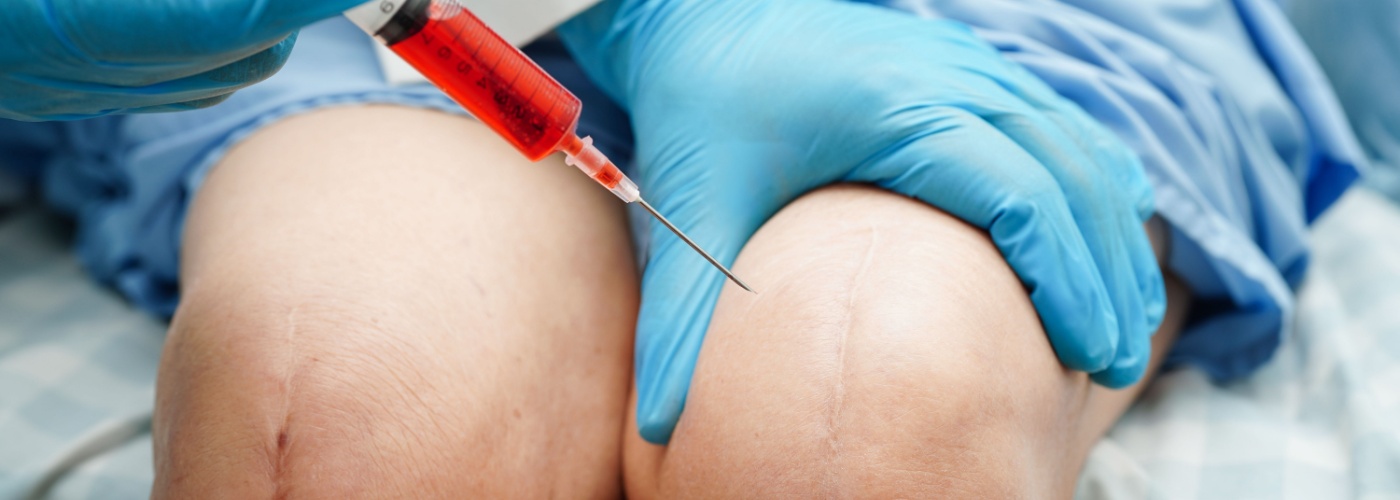
The treatment process typically begins with a consultation where a skincare specialist assesses your unique needs. Following this, a small sample of your own blood may be drawn to isolate the exosomes.
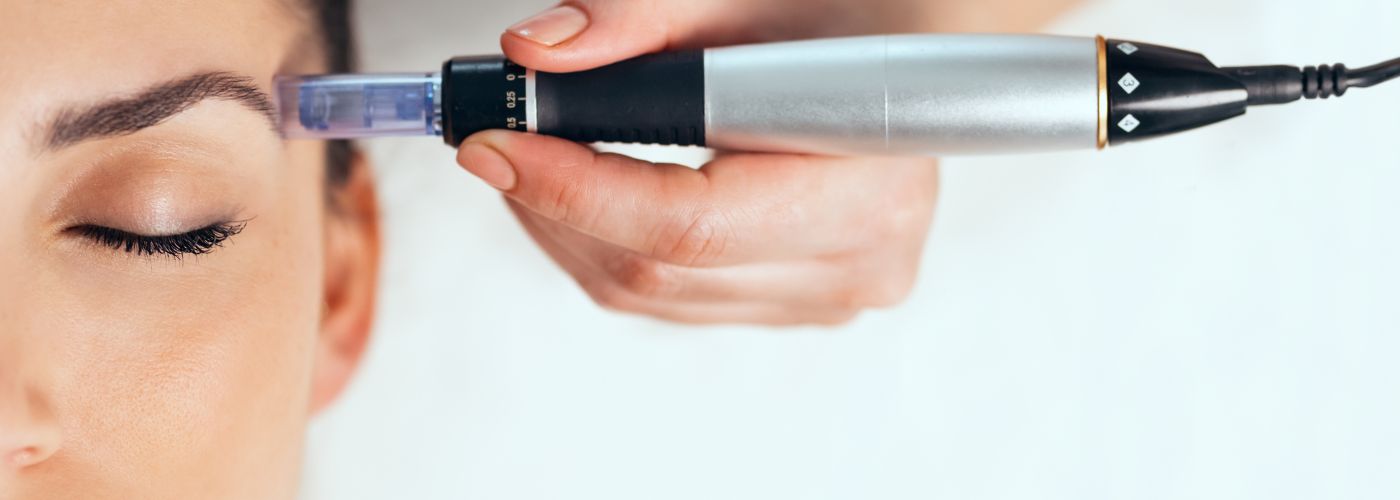
This personalized approach ensures that the therapy is tailored specifically for you, enhancing its effectiveness. Once prepared, the exosomes are applied to the skin through microneedling or injection, allowing for deeper penetration and absorption.
Skin Conditions Treated by Exosome Therapy
Exosome therapy is emerging as a promising treatment for various skin conditions, leveraging the natural healing properties of exosomes — tiny vesicles secreted by cells.
For individuals suffering from conditions like acne scars, eczema, and psoriasis, exosome therapy offers a revolutionary approach that not only alleviates symptoms but also encourages long-term healing at the cellular level.
One of the standout benefits of exosome therapy is its ability to stimulate collagen production, which is crucial for maintaining skin elasticity and reducing the appearance of fine lines. This makes it particularly appealing for those looking to rejuvenate aging skin or enhance their overall complexion.
Moreover, because exosome therapy utilizes materials derived from the body, the risk of allergic reactions is significantly reduced compared to traditional treatments. As research continues to unfold, more skin conditions may find relief through this innovative therapy, opening up new avenues for skin health and wellness.
What To Expect During A Treatment Session
During an exosome therapy session, you can expect a calm and focused environment designed to make you feel at ease. The process often begins with a consultation where your healthcare provider will discuss your specific needs and goals.
This personalized approach ensures that the treatment is tailored just for you, setting the stage for a successful experience.
As the session progresses, you’ll witness the fascinating science behind exosome therapy. Exosomes, tiny vesicles derived from stem cells, are introduced to your body to facilitate healing and regeneration. Many patients report feeling a gentle warmth as these powerful cells work their magic.
While some may experience mild discomfort, it typically subsides quickly, allowing you to focus on the potential benefits ahead — like improved recovery times and enhanced overall wellness.
Debunking Myths For Exosome Therapy For Skin Conditions
Exosome therapy is often shrouded in misconceptions that can cloud its true potential for skin conditions. One common myth is that exosome therapy is a new fad with no scientific backing. In reality, exosomes have been studied for decades, and their role in cell communication and regeneration is well-established.
These tiny vesicles facilitate healing by transferring proteins and genetic materials between cells, making them a powerful tool for promoting skin rejuvenation.
Another prevalent myth is that exosome therapy guarantees instant results. While many patients experience visible improvements in skin texture and tone, the effects take time as the body gradually rebuilds and regenerates tissues.
It’s essential to have realistic expectations and understand that exosome therapy works synergistically with your body’s natural healing processes. By debunking these myths, we can better appreciate the transformative potential of exosome therapy in treating various skin conditions, from aging to acne scars.
Risks and Side Effects of Exosome Therapy
Exosome therapy, while promising, does come with its own set of risks and side effects. One of the primary concerns is the potential for immune reactions. Since exosomes can carry proteins from their source cells, there’s a chance that the recipient’s body might recognize these as foreign and mount an immune response.
This could lead to inflammation or other unexpected reactions, which highlights the importance of careful donor screening and matching.
Another risk involves the variability in exosome quality and content. Not all exosome therapies are created equal; factors like the source of the exosomes and the extraction process can greatly influence their effectiveness and safety.
Some patients may experience mild side effects like temporary discomfort at the injection site, while others might face more severe complications. While exosome therapy is considered safe, it’s best to speak with a health care specialist before undergoing treatment.